Memory Habits for Calm Minds
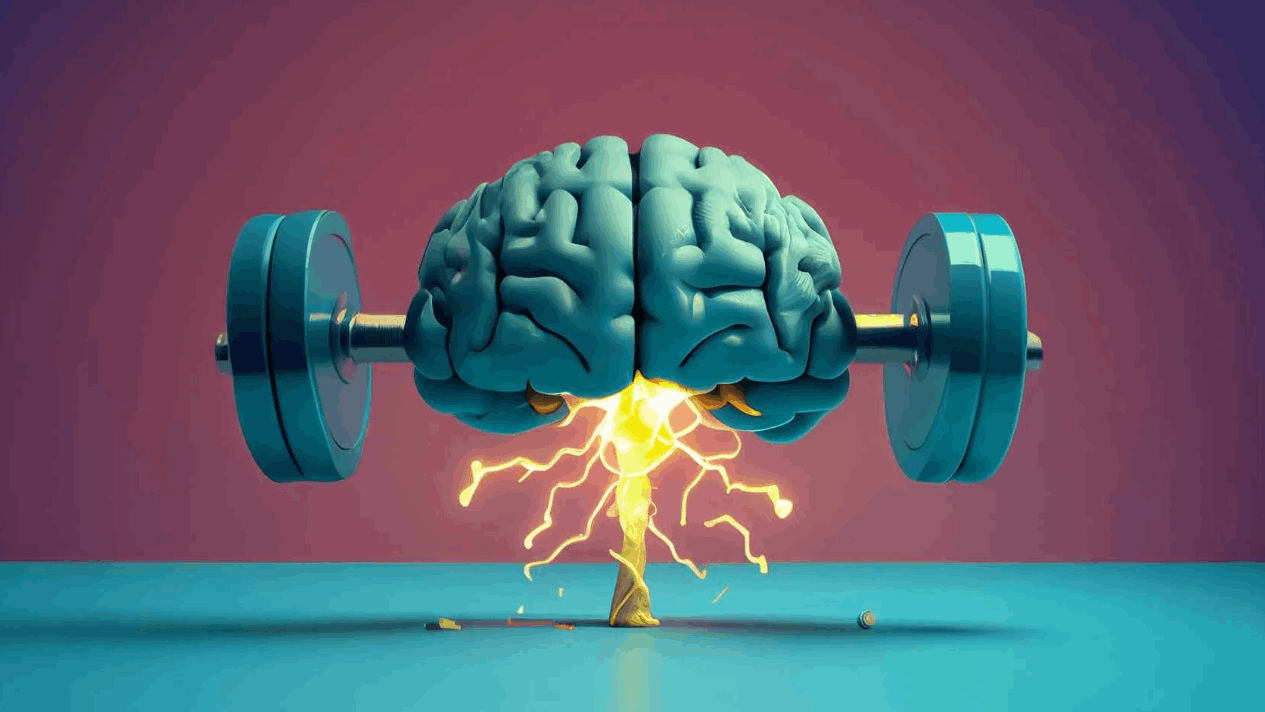
Daily routines shape the way people think, feel, and interact with the world around them. Some habits are connected to movement, others to reflection, and many are built quietly through repetition over time. Among these routines, small intellectual activities have become increasingly meaningful for readers searching for moments of calm concentration in busy environments. Brain games, gentle memory training exercises, and reflective activities connected to a daily challenge often provide a sense of balance that feels both enjoyable and restorative.
Memory is deeply connected to everyday life. People rely on it while navigating familiar streets, recalling conversations, preparing meals, or recognizing small details that make ordinary experiences meaningful. Because memory influences so many aspects of life, many readers enjoy exploring habits that encourage attentiveness and thoughtful observation. Brain games can support this interest by transforming memory training into a calm and approachable experience rather than a demanding task. A carefully designed daily challenge invites participation through curiosity instead of pressure.
Modern routines often leave little room for quiet reflection. Information arrives constantly through screens, conversations, and endless streams of digital content. Many people move rapidly between responsibilities without pausing long enough to fully process their surroundings. In this environment, simple mental habits can become surprisingly valuable. Brain games encourage readers to slow down and focus on a single activity for a few peaceful moments. Memory training practiced consistently may help create a rhythm of attention that feels calming instead of exhausting. A daily challenge completed with patience can become a small moment of stillness within an otherwise busy day.
The emotional atmosphere surrounding learning is important. When people associate intellectual activity only with performance or competition, concentration can begin to feel stressful. Brain games offer a different experience because they invite experimentation and playful thinking. Memory training exercises based on observation, language, or creativity encourage readers to engage naturally without fear of failure. A daily challenge may involve noticing visual patterns one day and reflecting on word associations the next, creating variety while maintaining a relaxed tone.
In Japan, many traditional routines emphasize simplicity, repetition, and mindful attention. Everyday rituals such as preparing tea, arranging objects carefully, or walking quietly through familiar spaces reflect an appreciation for calm focus. This atmosphere connects naturally with memory training and reflective learning habits. Brain games completed during quiet mornings or peaceful evenings may become part of a personal routine centered around balance and awareness. A daily challenge approached slowly and thoughtfully often feels less like a task and more like a moment of intentional reflection.
Consistency plays an important role in shaping habits. Large goals sometimes feel difficult to maintain because they demand dramatic changes all at once. Smaller routines, however, often become sustainable because they fit naturally into everyday schedules. Brain games do not need to occupy hours of time to remain meaningful. Even a brief memory training exercise practiced regularly can encourage patience, concentration, and curiosity over time. A short daily challenge completed each evening may gradually become as familiar and comforting as reading a few pages of a favorite book.
Many readers also appreciate the creativity involved in reflective mental activities. Brain games encourage people to look beyond obvious answers and explore unusual connections between ideas. Memory training exercises often reveal how differently individuals approach the same problem, making the experience more personal and engaging. A daily challenge can become an opportunity not only to remember information, but also to imagine possibilities, recognize patterns, and enjoy moments of discovery that feel quietly rewarding.
Another reason these habits feel calming is because they encourage presence. Many distractions pull attention toward future concerns or unfinished responsibilities. Brain games create a space where readers focus fully on a single moment and a single activity. Memory training invites concentration on details that might otherwise go unnoticed, helping people reconnect with observation and thoughtful thinking. A daily challenge solved slowly without interruption can provide a rare sense of mental clarity in environments filled with constant noise and movement.
Different generations often find value in these routines for different reasons. Some readers enjoy brain games because they remind them of traditional puzzles and quiet family activities from childhood. Others approach memory training as a modern form of mindful relaxation that balances fast-paced digital habits. Younger readers may enjoy the creativity and flexibility of a changing daily challenge, while older readers appreciate the calm structure and reflective rhythm it brings to the day. Despite these differences, the shared experience of thoughtful engagement continues to connect people across ages and lifestyles.
Technology has made access to educational activities easier than ever, yet it has also increased the speed at which information is consumed. Because of this, many people now search for experiences that encourage slower and more intentional thinking. Brain games offer a simple way to step away from endless distractions and reconnect with focused attention. Memory training becomes especially meaningful when it is approached not as self-improvement under pressure, but as an enjoyable and reflective practice. A daily challenge completed quietly before sleep or during a peaceful break may help restore a sense of calm and balance.
There is also value in the gentle confidence that develops through repeated effort. Solving small problems regularly can encourage patience and trust in one’s own thinking process. Brain games remind readers that concentration grows gradually through practice rather than instant success. Memory training supports this perspective by rewarding careful observation and persistence instead of speed alone. Each daily challenge becomes part of a longer journey shaped by curiosity, consistency, and thoughtful exploration.
Calm minds are not created only through silence or rest. They are also shaped by meaningful activities that encourage reflection and balanced attention. Brain games provide opportunities to engage the mind without overwhelming it, while memory training creates habits of observation that support mindfulness in everyday life. Through a simple daily challenge practiced regularly, readers may discover that focus and calmness are closely connected. In quiet moments of concentration and curiosity, ordinary routines become opportunities for thoughtful learning and peaceful reflection.